
Trauma Therapy
When Difficult Experiences Continue to Affect You

Sometimes it is clear that something you went through is still affecting you. Other times, you may simply notice that you feel on edge, shut down, easily overwhelmed, disconnected, or caught in patterns that are difficult to understand.
Trauma does not always come from one major event. Experiences that happened repeatedly, relationships where you did not feel safe or supported, significant losses, or periods of ongoing stress can also have a lasting impact.
You do not need to know whether what happened “counts” as trauma before reaching out.
In-person therapy in Toronto and Thornhill • Virtual therapy across Ontario
Trauma Does Not Always Look the Way People Expect
Trauma can involve one overwhelming experience, but it can also develop through experiences that happened repeatedly or over a longer period of time. What happened matters, but so does how it affected you and the support that was available at the time.
One Difficult Event
An accident, assault, sudden loss, medical experience, frightening event, or another experience that felt overwhelming.
Experiences That Happened Over Time
Growing up around conflict, criticism, unpredictability, neglect, or other experiences that happened repeatedly.
Relationships That Felt Unsafe
Relationships involving fear, control, betrayal, emotional harm, or uncertainty about what to expect.
Loss, Change & Ongoing Stress
Immigration, discrimination, caregiving, repeated losses, major changes, or long periods of feeling overwhelmed.
Trauma Can Affect More Than Memories
Difficult experiences can shape how you see yourself, what you expect from relationships, and the ways you have learned to cope. Sometimes the effects are obvious. Other times, they can become so familiar that they simply feel like part of who you are.
How You See Yourself
You may notice self-blame, shame, difficulty trusting yourself, or feeling as though you should have handled things differently or been able to cope better.
How You Relate to Others
Past experiences can influence boundaries, closeness, asking for help, people-pleasing, or how safe it feels to trust and depend on other people.
How You Learned to Cope
Avoiding feelings, staying busy, trying to stay in control, withdrawing, or putting others first may have helped you get through difficult situations.
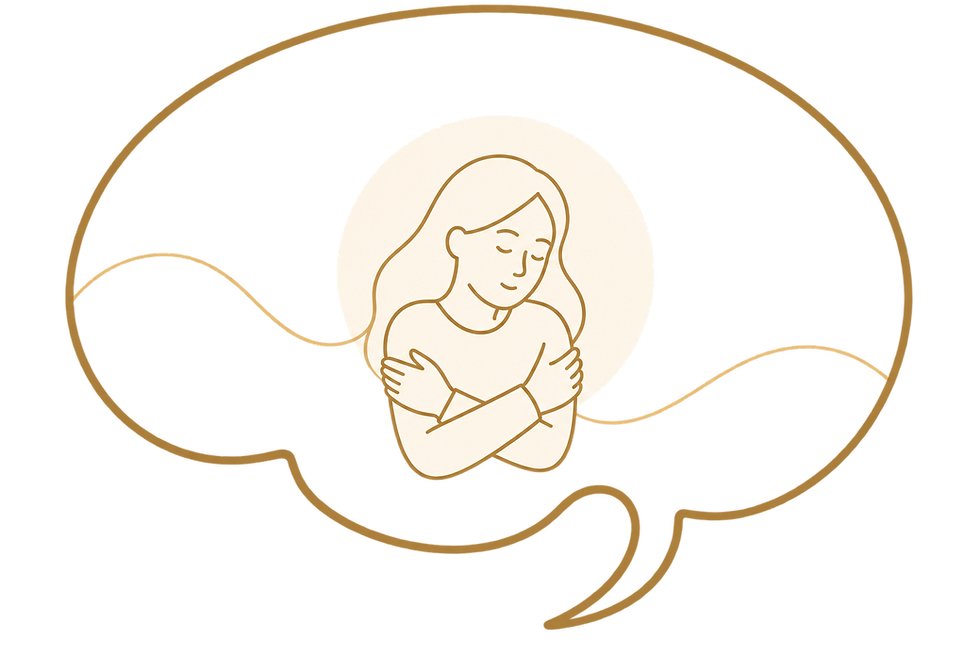
Your Reactions May Have Made Sense at the Time
When you have been through something difficult, your mind and body may develop ways of helping you get through it. Staying alert, keeping people at a distance, avoiding certain situations, shutting down, or trying to stay in control may have made sense in the circumstances you were in.
These responses can become confusing when they continue after the situation has changed. Understanding where they came from can make it easier to approach them with curiosity rather than judgment.
Trauma FAQs
Wondering Whether Trauma Therapy Could Help?
READY WHEN YOU ARE
If some of what you have read feels familiar, you are welcome to book a free 15-minute consultation to talk briefly about what you are looking for and ask any questions you have.
In-person therapy in Toronto and Thornhill • Virtual therapy across Ontario